Posts

Fertility and Intermittent Fasting: Does It Help or Harm Reproductive Health?

Image
  Intermittent fasting (IF) has gained popularity as an effective approach for weight loss and overall health improvement. But when it comes to fertility, the impact of IF on reproductive health is a subject of debate. Does intermittent fasting help boost fertility, or does it pose risks for conception? Dr. Deep Malu, the best multispecialty hospital in Nizamabad, explores the relationship between IF and reproductive health to provide clarity on this trending dietary practice. What is Intermittent Fasting? Intermittent fasting is an eating pattern that cycles between periods of eating and fasting. Popular IF methods include: 16/8 Method : Fasting for 16 hours and eating within an 8-hour window. 5:2 Diet : Eating normally for five days and significantly reducing calorie intake for two days. Alternate-Day Fasting : Fasting every other day while eating normally on non-fasting days. How Intermittent Fasting Affects Fertility Intermittent fasting impacts fertility differently in men and...
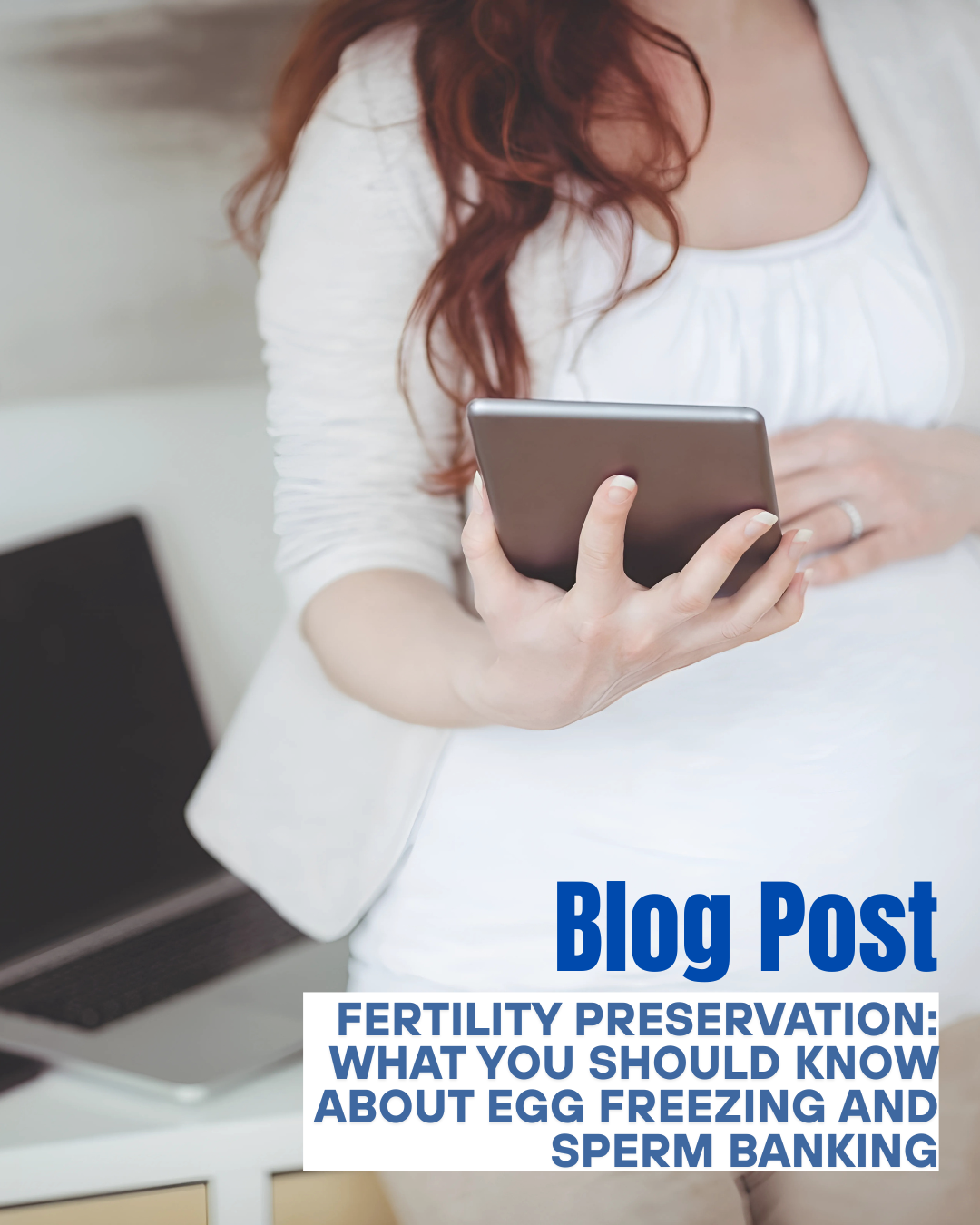
Fertility Preservation: What You Should Know About Egg Freezing and Sperm Banking

Image
  Fertility preservation is an essential option for individuals who want to delay parenthood due to medical, personal, or career reasons. Egg freezing and sperm banking are two advanced techniques that allow individuals to safeguard their reproductive potential for the future. Dr. Deep Malu, the best multispecialty hospital in Nizamabad, provides expert insights into these fertility preservation methods and their benefits. What is Fertility Preservation? Fertility preservation involves storing reproductive cells (eggs or sperm) for future use. This process is particularly beneficial for individuals undergoing medical treatments that may affect fertility, those with certain genetic conditions, or people who simply want to extend their reproductive window. Egg Freezing: A Solution for Women Egg freezing (oocyte cryopreservation) is a procedure in which a woman's eggs are retrieved, frozen, and stored for future use. This technique is ideal for women who want to preserve their fertili...

Fertility After 35: Myths vs. Facts

Image
  Fertility is a major concern for many individuals, especially those planning to conceive after the age of 35. While age does play a role in reproductive health, there are many myths surrounding fertility that can cause unnecessary stress and confusion. Dr. Deep Malu, the best multispecialty hospital in Nizamabad, debunks common misconceptions and presents the facts about fertility after 35. Myth 1: Women Cannot Conceive Naturally After 35 Fact: While fertility does decline with age, many women successfully conceive naturally even in their late 30s and early 40s. Advances in reproductive medicine and a healthy lifestyle can improve the chances of conception. Myth 2: Men’s Fertility is Not Affected by Age Fact: Although men produce sperm throughout their lives, sperm quality declines with age. After 40, there is an increased risk of DNA fragmentation, which can affect embryo development and pregnancy success rates. Myth 3: IVF is the Only Option for Women Over 35 Fact: While in ...

How Digital Devices and EMF Exposure Affect Fertility

Image
  In today's digital age, smartphones, laptops, and wireless devices have become an integral part of our daily lives. However, prolonged exposure to electromagnetic fields (EMFs) emitted by these devices raises concerns about potential health risks, including fertility issues. Dr. Deep Malu, the best multispecialty hospital in Nizamabad, sheds light on how digital devices and EMF exposure can impact reproductive health. Understanding EMF and Its Sources Electromagnetic fields (EMFs) are invisible energy waves generated by electronic devices, including mobile phones, Wi-Fi routers, microwaves, and Bluetooth-enabled gadgets. These fields are categorized into: Low-frequency EMFs (produced by power lines and home appliances) Radiofrequency EMFs (emitted by wireless communication devices) How EMF Exposure Affects Male Fertility Reduced Sperm Quality : Studies suggest that prolonged exposure to EMF radiation can decrease sperm count, motility, and viability, leading to infertility. Inc...

The Link Between Gut Health and Fertility: What Science Says

Image
  The gut microbiome plays a crucial role in overall health, but did you know that it also impacts fertility? Research suggests that a healthy gut contributes to hormonal balance, reduces inflammation, and improves reproductive health. At Dr. Deep Malu, the best multispecialty hospital in Nizamabad, we explore the connection between gut health and fertility, providing science-backed insights for those trying to conceive. Understanding the Gut-Fertility Connection The gut microbiome consists of trillions of bacteria that influence digestion, metabolism, and immune function. A well-balanced gut microbiome can support fertility in both men and women by: Regulating Hormonal Balance : Gut bacteria help metabolize estrogen, progesterone, and testosterone—key hormones in reproductive health. Reducing Inflammation : Chronic inflammation can lead to conditions like polycystic ovary syndrome (PCOS) and endometriosis, which affect fertility. Supporting a Healthy Immune System : A balanced imm...